

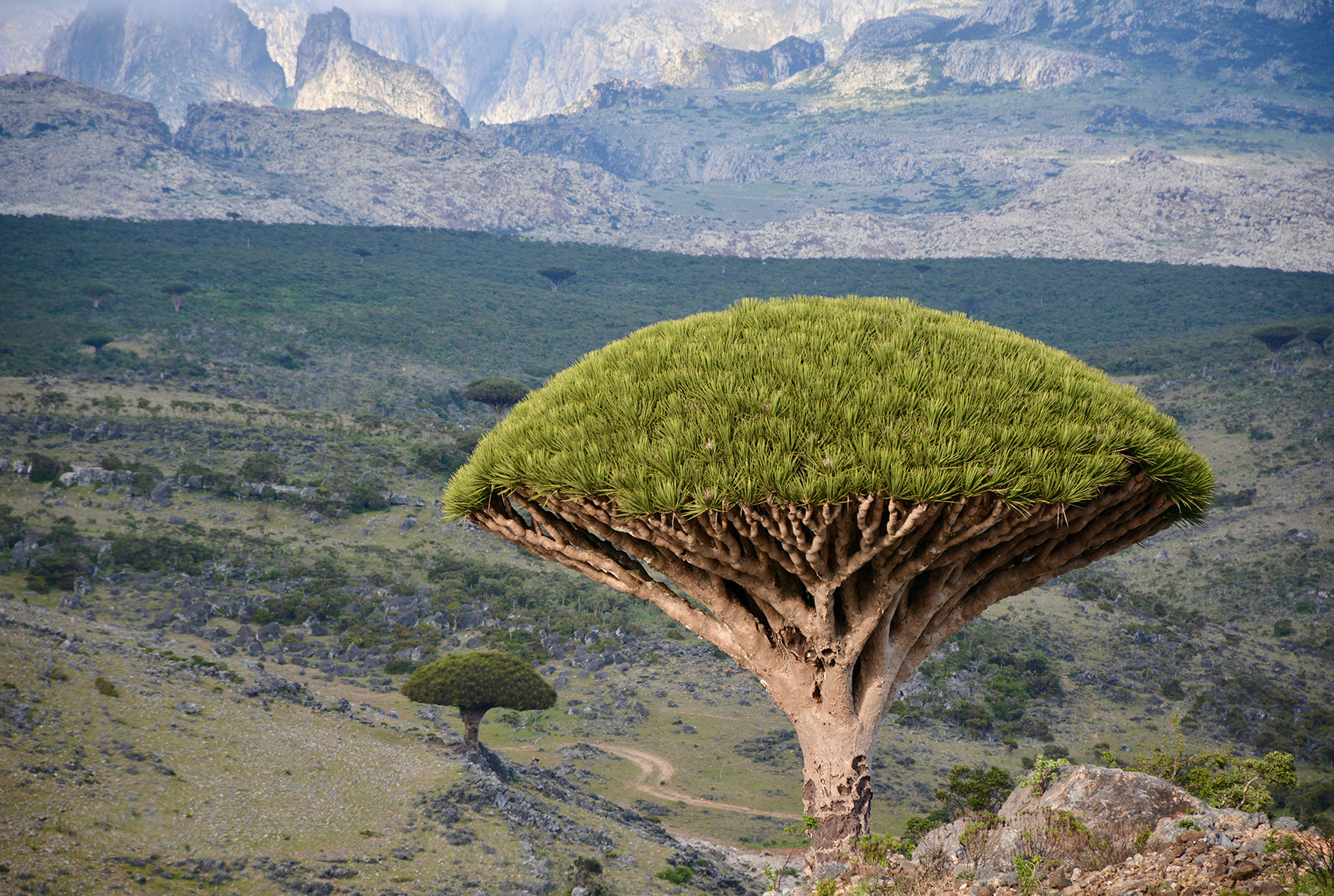
Both residents and scientists are concerned about the future of these trees, which are being decimated by increasingly intense storms, while young saplings are threatened by overgrazing.
In light of this alarming situation, the Socotra Dragon Blood Tree Association, founded in 2022 by French and Socotri citizens, has launched a comprehensive program based on three pillars:
-The reforestation of dragon trees through the creation of community nurseries,-Sustainable apiforestry, in partnership with the Maithan association,
-Improving access to water.
The organization operates in the dragon tree forest of Firmihin, in the mountainous plateaus of Dixam and Homhil, which are located approximately 55–75 kilometers from Hadibo. More than 50% of the dragon tree population is found in the Firmihin forest.
By 2027, a new initiative will complement this strategy: the creation of a botanical garden designed to serve both educational and economic purposes.
Awareness-raising workshops are held regularly in schools. These workshops combine drawing, storytelling, observing native plants, and sharing knowledge about local biodiversity issues. They aim to foster environmental awareness from an early age by highlighting traditional knowledge and the responsibilities of future generations.
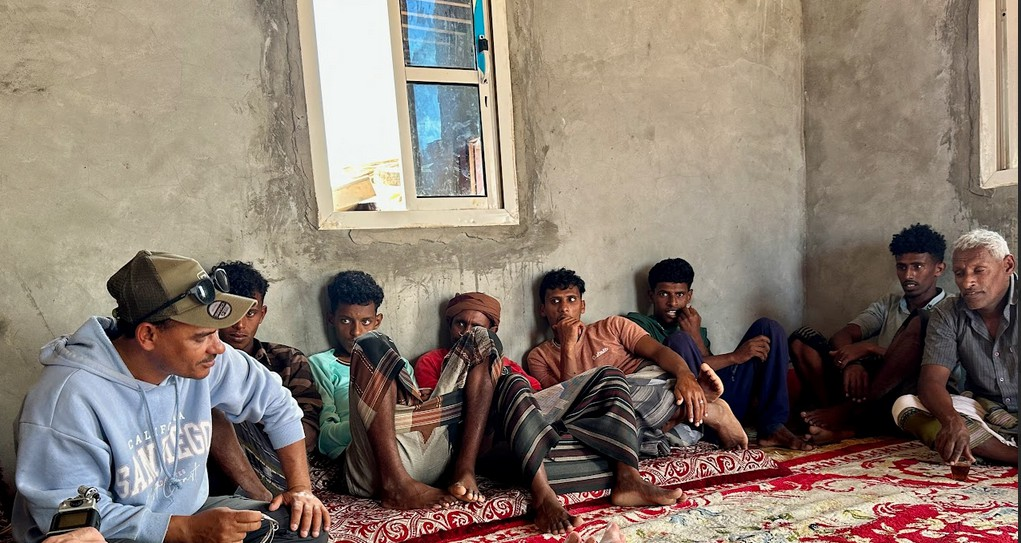
Information session on the project hosted by the Socotri team
An innovative aspect of this program is the introduction of apiforestry, in partnership with the Maithan Association in Socotra.
The installation of migratory beehives in dragon tree forests not only promotes pollination—which is essential for the natural regeneration of plants—but also produces a rare, high-value honey. This industry is designed to serve as a local economic driver, generating income for Bedouin communities while also being environmentally sustainable.
The association also plans to launch a training program in 2025 and 2026 for young volunteers from nearby villages.
This program will include:
-Hands-on training in nursery management (planting, irrigation, maintenance),-An introduction to beekeeping, honey harvesting, and bottling.
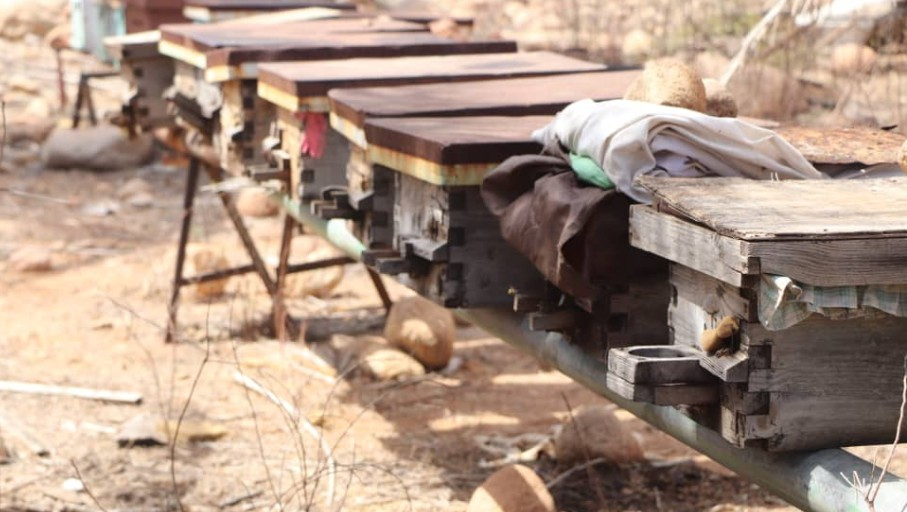
Beehives
Under the guidance of experts from Socotra and France, these young people will receive a certificate of participation and will eventually be able to serve as local coordinators for future community reforestation efforts.
-5 nurseries established-2,950 Socotra dragon trees reintroduced as seedlings
-100 beehives installed
-100 schools educated about the protection of the Socotra dragon tree through the distribution of posters
-12 schools hosting conferences/workshops
-1,000 posters distributed in schools
-10 young volunteers will receive training from experts on artificial and natural reforestation
-3,000 guides on proper forest use will be distributed to travel agencies and tourists
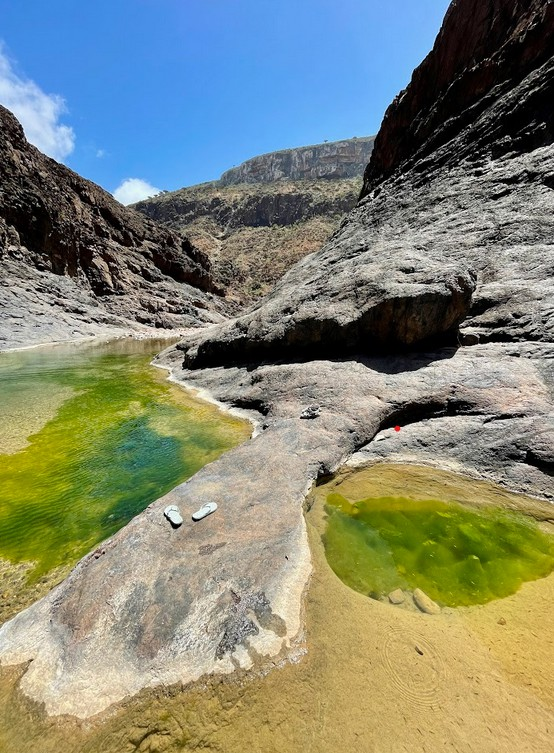
Our medium-term plan aims to expand water access infrastructure (pipelines, underground reservoirs, etc.), secure water supplies in rural areas, and strengthen villages’ resilience to climate-related hazards.
Technical studies are currently underway to design a drinking water supply system that will serve several villages in the mountains as well as coastal villages.
This garden will serve a dual purpose:
-Training Center for Sustainable Management of Island Resources.A source of income from guided tours and the sale of honey and handmade crafts (pottery, etc.).
The profits generated will be reinvested in garden maintenance, paying local employees, and ensuring the long-term sustainability of the community nurseries.
